Storm Damage Roof Repair in Southlake, TX
Lifted shingles, fallen debris or water indoors deserve a closer look after a storm. We assess the damage and the work needed to protect the roof.
Roofing help after a Southlake storm
After a storm, the first concern is whether the roof still keeps weather outside. Missing covering can expose lower layers, while a lifted shingle or damaged flashing joint may leave a less obvious opening. We inspect the actual roof rather than deciding its condition from a neighborhood storm report.
Wind and impacts do different things. Wind can lift edges and break seals; a branch can puncture the covering or damage the deck. Hail can injure a shingle without leaving a large open hole. A useful scope identifies the damaged component and how far the affected area extends.
If water is entering now, mention it when you call. Temporary protection may be part of the first work when conditions permit. The permanent repair still needs to address the failed covering and its connections, including damage discovered underneath.
Wind damage and impact damage
Wind-lifted or missing covering
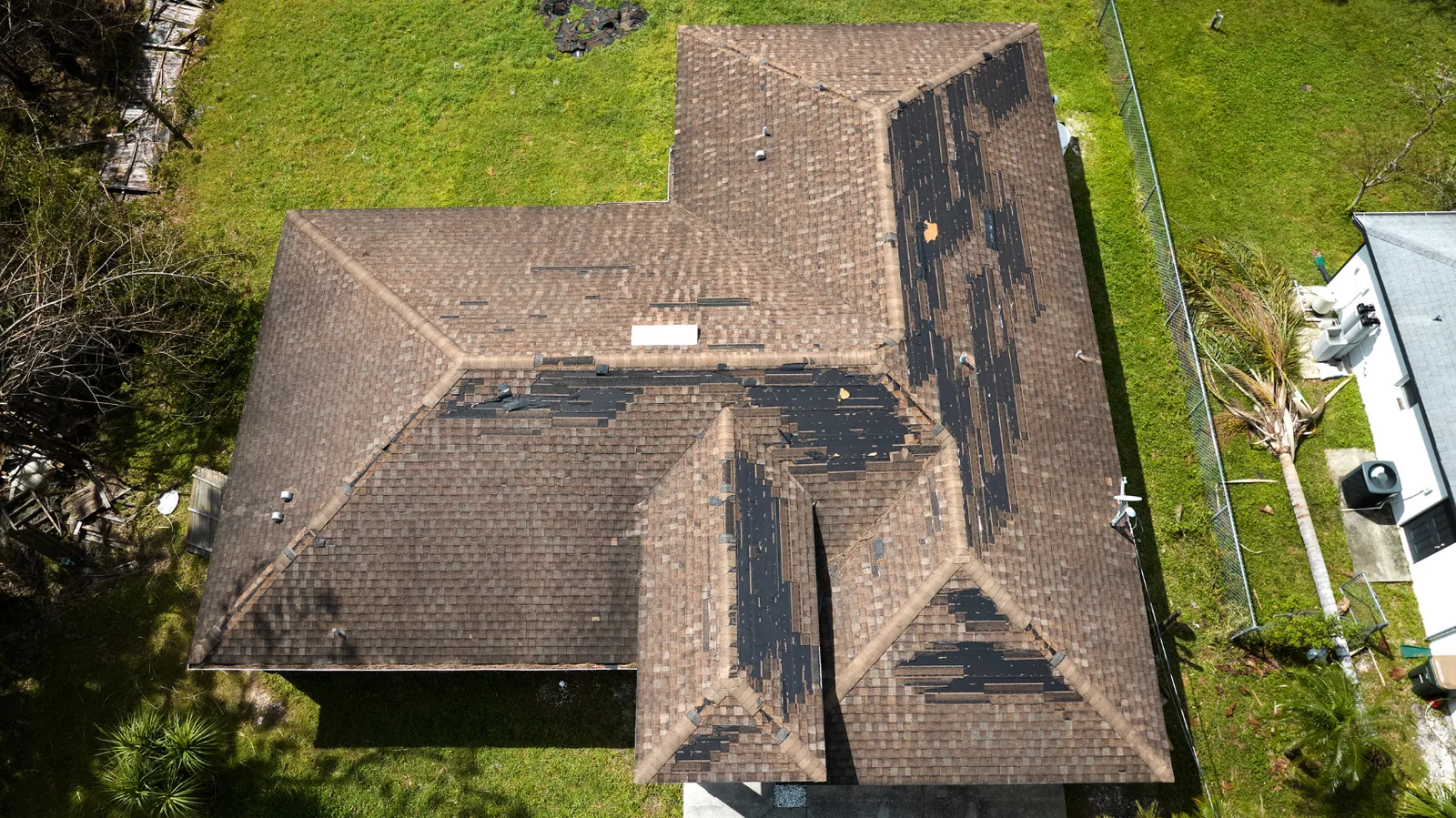
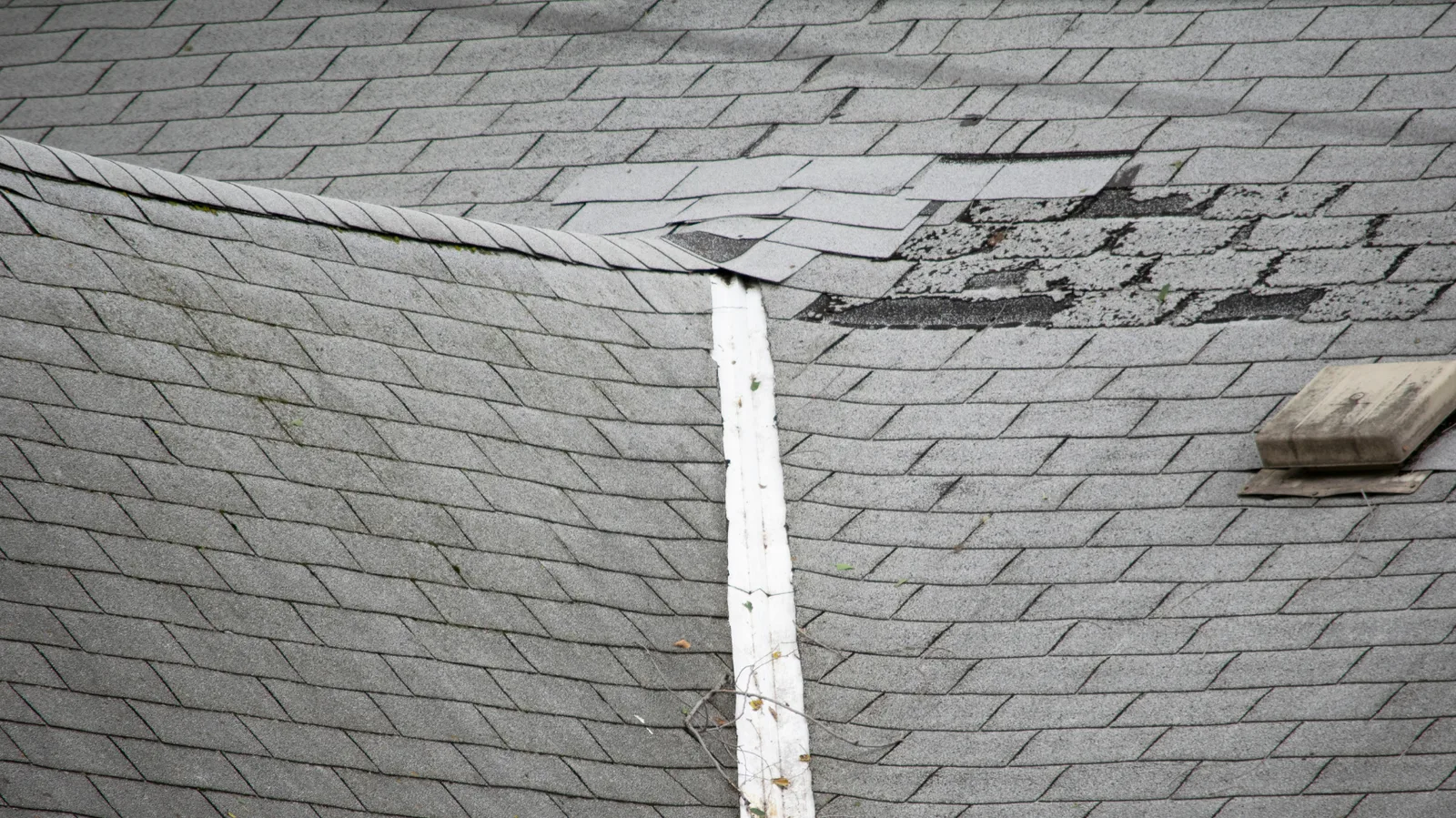
A lifted shingle can lose its seal or crease at the bend. Missing shingles leave the underlayment exposed, and damaged ridge or edge pieces can admit rain at the perimeter. The repair needs sound material around the affected area so new covering can be fastened and overlapped properly.
The inspection also checks connected flashings and roof edges. Replacing the most visible missing piece may leave another part of the same water path open.
Hail and falling-debris impacts
Impact damage needs examination of the material itself. A dent in a metal surface is a clue to exposure, not proof that every nearby shingle failed. Branch strikes can create a concentrated puncture that reaches the deck.
The size and distribution of confirmed damage guide the scope. Scattered surface marks, a localized opening and widespread covering damage call for different conversations.
Protect, inspect and choose the repair
Protection, roofing scope and insurance handling are related steps with different purposes.
Make the affected area safe
Stay clear of fallen lines, unstable branches and damaged ceilings. Do not climb onto a wet or storm-damaged roof. A danger to people needs emergency help before a roofing discussion; the roofing visit depends on safe access.
Inspect and define the damage
The roof walk looks at damaged areas and surrounding material. Temporary covering can limit further entry, but concealed layers may need opening before the full repair is known. Existing safe photographs can help establish what you noticed.
Choose the permanent roofing work
A focused repair fits localized damage when it can join sound roofing. Broader damage or a weak surrounding covering may justify more extensive work. We explain that distinction without assuming every storm requires replacement.
Keep the policy decision with the insurer
If you make a claim, notify the insurer and keep relevant records and temporary-repair receipts. Roofing findings describe the work; the policy determines covered payment. The roof insurance guide explains the separation.
Southlake storm damage FAQs
Does a nearby hail or wind report prove my roof was damaged?
No. Reports describe a recorded location and event. Conditions can vary across a storm, and the roof still needs an inspection. The storm records page keeps the geography of each selected report visible.
Should permanent work wait for the insurance decision?
Necessary protection and insurer coordination need to be considered together. Ask the insurer what evidence it needs before damaged material is removed, while addressing active water entry safely. Claim handling does not make an unsafe roof safe to access.
What if only one side of the house looks affected?
The exposed side may have the most visible damage, but connected edges and adjoining slopes still deserve examination. A one-slope repair can be appropriate when the condition and junctions support it. We do not infer uniform damage across the whole roof.
Can old deterioration and storm damage exist together?
Yes. The roof can have both a recent damaged area and an older weak covering. The inspection considers how those conditions affect repairability; an insurance policy may treat their causes differently.