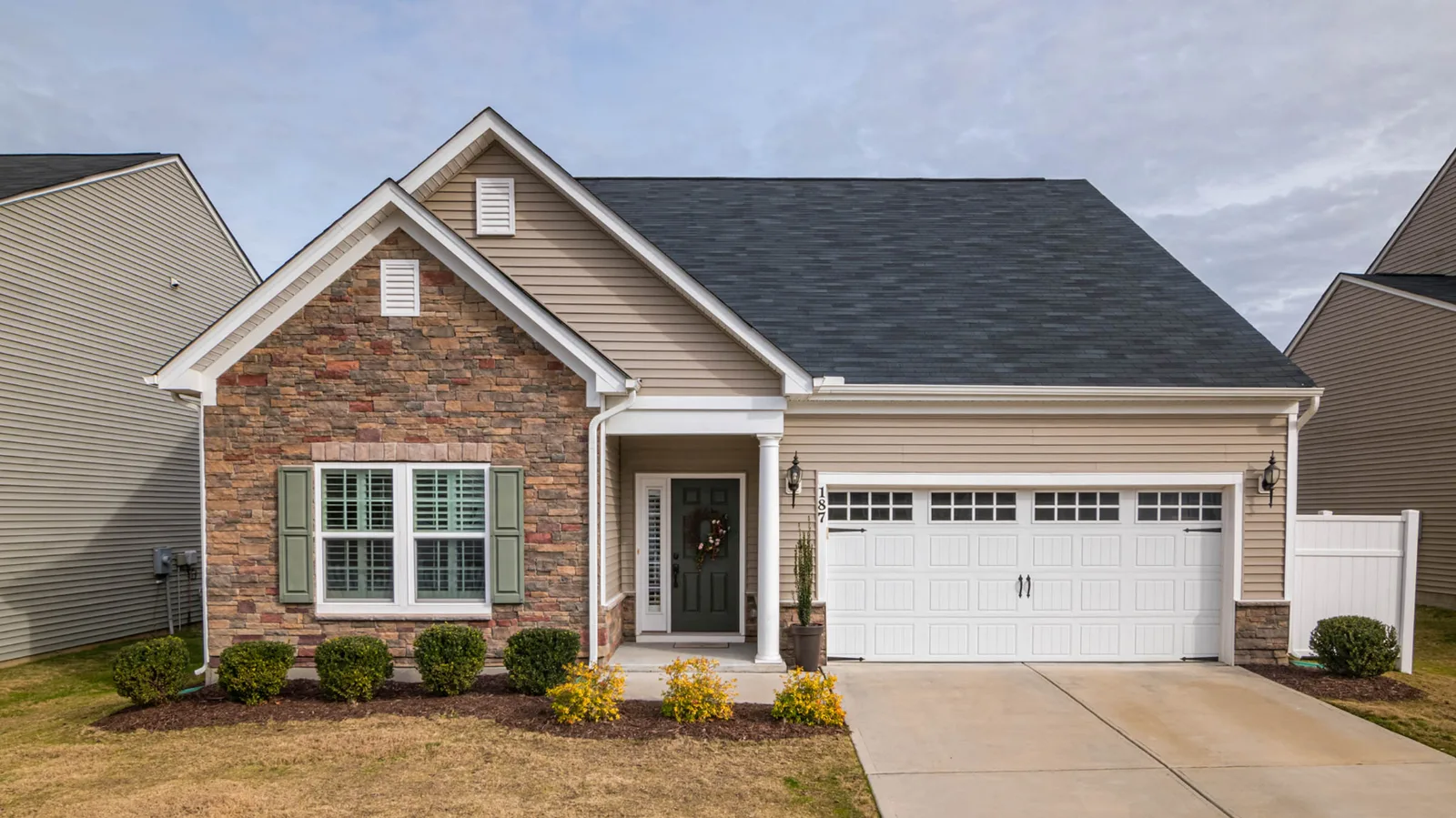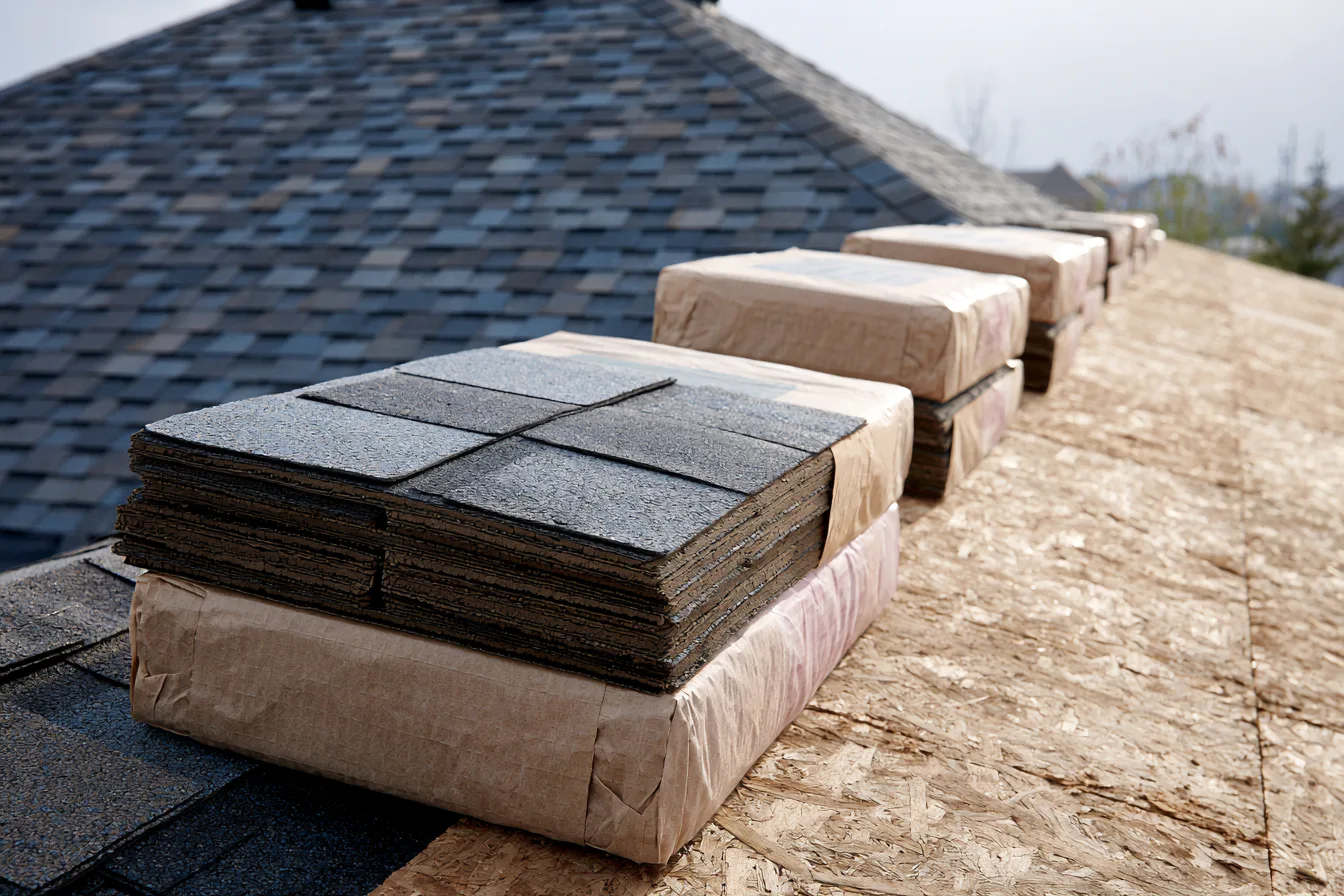
The leak is fixed, but the new shingles stand out from the street. That difference can be disappointing without meaning the repair was wrong. Color, profile and the physical repair boundary need to be understood together.
Fit and color answer different questions
Imagine a small repaired area on a broad front-facing slope. The new shingles have the same general color as the old ones, yet the patch catches your eye. Fresh granules and an unweathered surface reflect light differently, while the surrounding roof has changed through years of sun, rain and ordinary wear.
The product may also have changed. A familiar color name does not guarantee the same blend, dimensions or shadow pattern as a discontinued line. Looking at one loose sample can hide those differences; several courses seen with the house give a better sense of the finished effect.
Before appearance, there is physical fit. A repair shingle needs suitable dimensions, exposure and installation details so it can join the remaining courses. A visually close piece that cannot be installed correctly is not a useful match. A compatible piece may still leave a visible difference, and that should be part of the repair discussion.
You can care about both. Ask what can be matched reasonably, which differences will remain and how the repaired area sits on the visible roof plane. That turns a vague promise of “matching” into a choice you can understand.
Where a small repair should end
The right boundary for a repair is the place where the new work can connect to sound roofing. It may extend beyond the visibly missing shingle because surrounding pieces need to be lifted, the lower layers need reconnecting or concealed damage needs attention.
If nearby shingles are brittle enough to break during opening, a tiny patch may not be practical. If the deck beneath the original defect is deteriorated, that base needs repair before new covering goes on. These are physical reasons for enlarging the scope, even when the original leak looked small.
Color is a separate reason an owner might prefer a larger area of new roofing. It can justify discussing a whole slope for a more coherent appearance, but it does not prove every old shingle on that slope is damaged. Keeping those reasons clear helps distinguish necessary repair from a chosen appearance improvement.
A roof repair assessment considers the defect and the neighboring material. The goal is to explain where the work should end and what the finished roof is likely to look like, not to turn every visible difference into a whole-roof recommendation.
Choosing a more uniform roof appearance
If a local patch would remain prominent, compare it with a larger replacement area and understand the tradeoff. More new covering can create a more uniform plane, but the junction with the old roof still needs to work at ridges, valleys and walls. The broader scope also costs more and may involve additional material or appearance approvals.
A whole-roof replacement brings the opportunity to choose a consistent profile and color across the house. That can be an owner’s reasonable preference when the existing roof is also approaching a wider repair decision. It should still be presented with its actual work scope, rather than as the only possible response to a mismatched patch.
The shingle options tool separates profile from tested performance and installation details. Bring the appearance you like into the conversation along with the roof concern. A sound repair and a roof you enjoy looking at are both worth discussing.