New shingles are easy to see. A connection below the roof is not. When roofing work meets an appliance vent, a finished-looking surface does not tell the whole story. Southlake’s reroof final inspection includes these connections because they can be disturbed during construction.
The connection continues below the roof
A roof replacement renews the covering around the pipes and openings that pass through it. An appliance vent continues below that work, through the attic toward the equipment it serves. The joint visible above the shingles is only part of that route.
That is why a clean-looking roof and a dry ceiling answer only part of the completion question. The rain-shedding details need to work, and the vent connections need to remain properly assembled. Neither one substitutes for the other. A connection moved below the deck will not necessarily announce itself as a roof leak.
Flashing keeps rain out; the vent carries exhaust
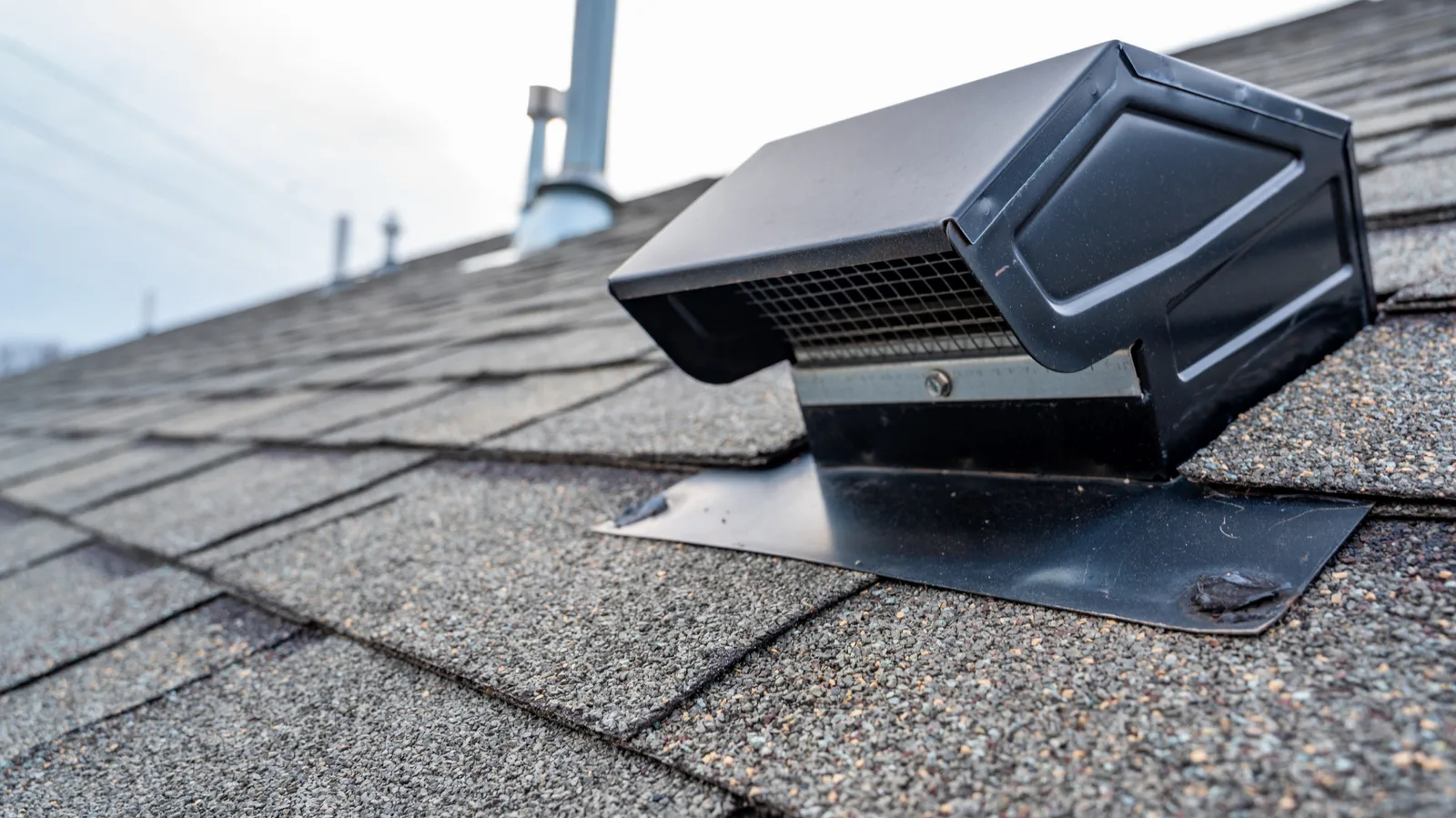
Roof flashing is the shaped metal that joins an opening to the surrounding roof. At a suitable gas-vent assembly, a storm collar provides a weather seal around the pipe above that flashing. Those exterior pieces address rain at the penetration.
The gas vent has a different job: carrying the appliance’s exhaust through the connected system to the outdoors. Type B vent is used with compatible gas appliances; it is not a name for every pipe or box projecting from a roof. A plumbing vent, attic vent and appliance vent need different treatment.
DuraVent’s Type B vent guidance shows the flashing, collar, cap and pipe connections as separate parts. The appliance and vent manufacturer’s instructions govern the actual assembly. A seal around the roof opening cannot establish that the concealed pipe joints are sound.
What Southlake includes in the final inspection
The City’s February 2026 roof replacement sheet requires the contractor to request a final inspection after the reroof. The request specifies either photos or an in-person inspection.
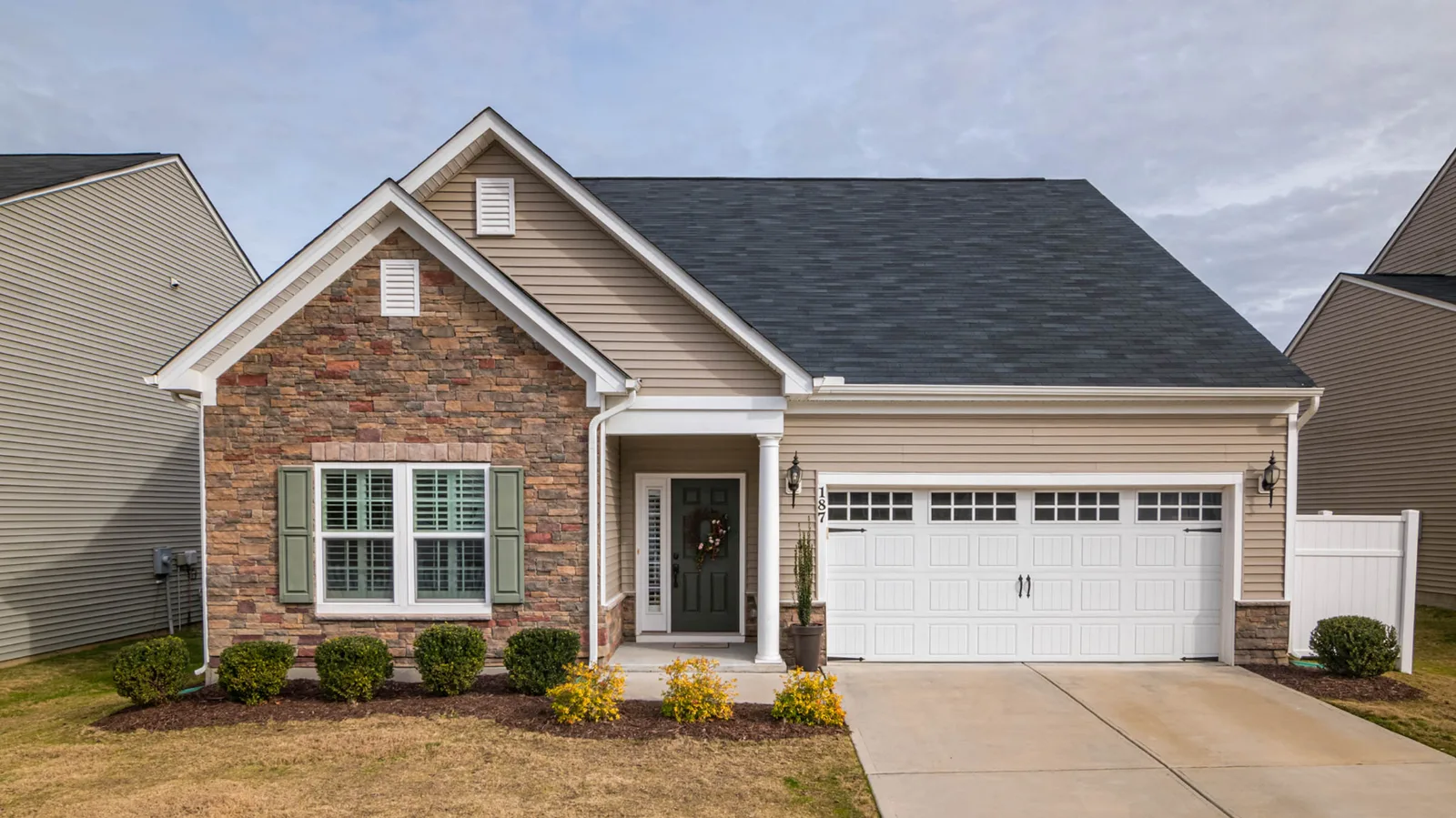
For the photo option, the City lists views of the addressed house, the roof’s outside elevations, exterior vent terminations, Type B vents at appliances in the attic, and their clearances at the roof. The in-person option includes a ground-level roof check and attic access to check for appliance vents disturbed during construction.
An occupant must be present to provide access for that in-person visit, and the contractor coordinates the time. This is a City completion inspection, separate from a roofing assessment used to discuss repair or replacement.
The Southlake roof permit guide explains the broader reroof permit process. These requirements are for work within the City of Southlake; a Southlake mailing address alone does not settle the permitting jurisdiction.
Plan the handoff before the roof is finished
The right time to account for roof openings is while the replacement is being planned. Roofing around an existing pipe involves more than trimming new shingles to fit. The work needs to account for the flashing and adjoining covering, with a clear handoff if an appliance-vent issue needs a qualified heating or plumbing professional.
If a completion inspection identifies a disconnected or altered vent, that finding needs its own correction. Treating the roof as finished because the shingles look even does not resolve it. Leave vent disassembly and appliance work to the appropriate professional; this is not a reason to enter the attic or climb onto the roof yourself.
For a planned roof replacement in Southlake, tell us about the roof concern and any work already underway. We can start with a free roof inspection and discuss the roofing details that need attention.